
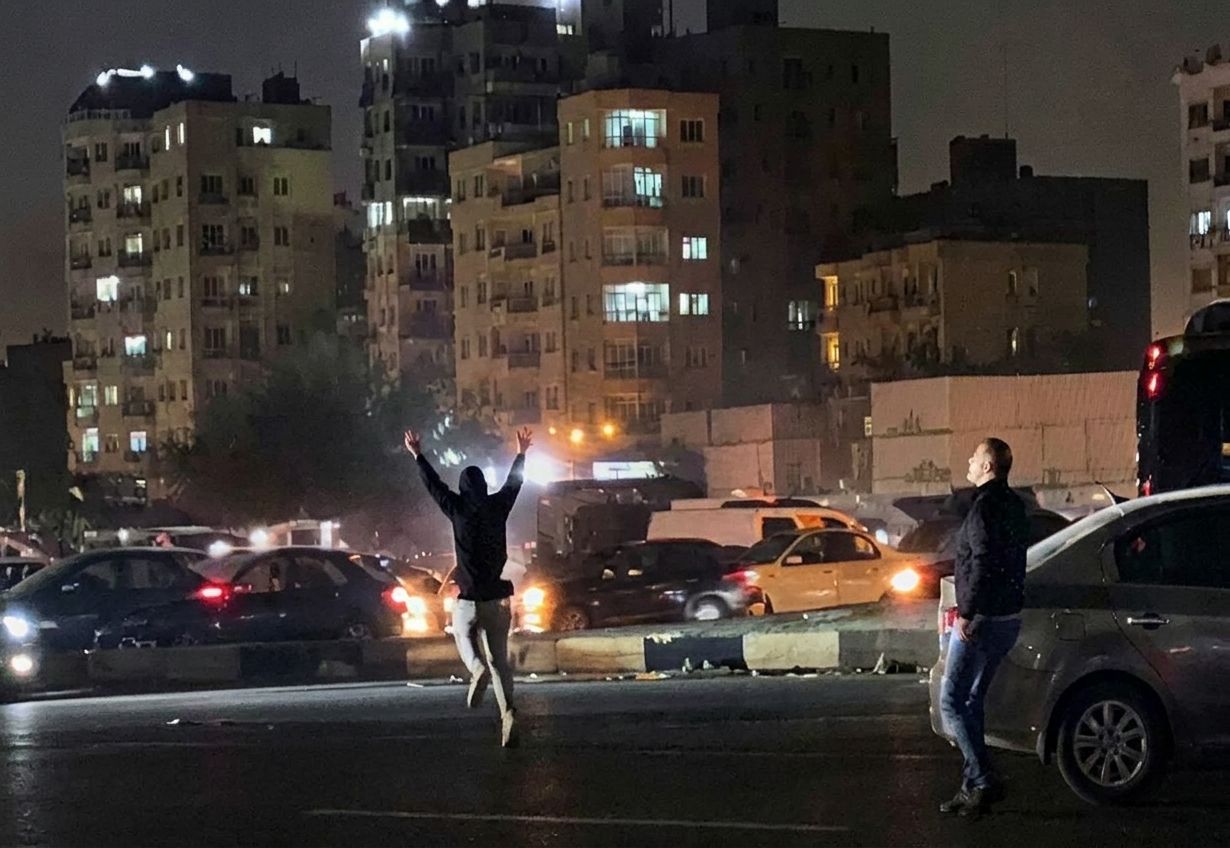
In defining moments that test the mettle of nations, a single photograph can encapsulate truths that volumes of commentary struggle to convey. Such was the case with the widely circulated image from the fuel tanker crash on Cairo’s Ring Road in the Al-Warraq district. The frame captures two young men sprinting toward oncoming traffic, waving their arms urgently to warn motorists away from the crash site. Despite the perilous conditions and the imminent threat of an explosion, they acted out of pure altruism and spontaneity to shield fellow citizens from harm—a powerful testament to individual courage and civic responsibility.
What makes this heroic intervention truly remarkable is not merely its physical bravery, but the deep-seated human impulse behind it amid chaos and acute danger. Their immediate reflex transcends the boundaries of a single traffic incident, illuminating a core set of values embedded in the Egyptian character—foremost among them Shahama (chivalry), gallantry, solidarity, and an instinctive readiness to rescue strangers without prior acquaintance or personal gain.
These social indicators carry heightened significance when viewed against the backdrop of the economic and social pressures currently facing Egyptian households, alongside rising living costs and daily stressors. Even under strain, mutual aid and compassion remain vibrant across Egypt’s social fabric, proving that the nation possesses a strategic reservoir of human values and social bonds that serves as a vital pillar of state resilience and strength.
Social Capital: The Hidden Equation of State Power
Conventional political and economic frameworks typically measure national power through tangible metrics: economic output, military capability, technological advancement, institutional efficiency, and natural or human resources. While indispensable, a state’s actual capacity to mobilize these resources during a crisis depends heavily on the societal foundation beneath it—specifically, the levels of trust, cohesion, and cooperation among its citizens. Viewed through this lens, the people themselves represent a nation’s truest capital and most enduring strategic asset.
This dynamic highlights a compelling sociological paradox: societies anchored in strong humanitarian norms do not lose their moral compass under economic hardship. On the contrary, major crises often bring to the surface noble facets of collective character that remain understated during the routine rhythm of daily life. In moments of danger, values passed down across generations through socialization and shared memory awaken to guide individual action toward the common good.
Within Egyptian culture, Shahama extends well beyond isolated acts of bravery; it reflects a deeply ingrained ethos of aiding the distressed and treating the safety of others as a shared moral duty. This ethos was vividly on display in the aftermath of the Al-Warraq Ring Road tragedy—from bystanders rushing to pull the injured from the flames, to citizens lining up at hospitals to donate blood, to financial contributions made by business leaders, official and religious institutions, and public figures to support the victims’ families.
The sociological concept of Social Capital offers a rigorous framework for understanding how such moral bonds translate into tangible collective action, as articulated by leading social and political theorists:
American sociologist James Coleman conceptualized social relationships as productive resources that enable individuals to achieve outcomes unattainable in isolation.
Robert Putnam emphasized the role of civic engagement networks, mutual trust, and reciprocal norms in facilitating cooperation for the public good.
Francis Fukuyama underscored the vital role of informal social norms and trust in building a society’s capacity for self-organization and collaboration.
Taken together, these perspectives explain why the two young men in Al-Warraq dashed toward oncoming vehicles: in split-second emergencies where there is no time for deliberation, deeply rooted ethical norms take over, turning individual initiative into an immediate expression of collective solidarity.
Social Solidarity and Community Resilience Under Pressure
Alongside social capital stands the concept of Social Solidarity—pioneered by French sociologist Émile Durkheim as the bedrock of social cohesion, forged through shared values and mutual interdependence that extend responsibility beyond immediate personal circles to the broader community.
This spirit of solidarity becomes all the more critical amid prolonged economic challenges. While sustained financial strain can often heighten competition over resources and erode civic engagement, everyday life in Egypt continues to demonstrate a steady current of mutual support—from neighbors assisting one another and caring for the sick and vulnerable, to rapid grassroots mobilization during emergencies.
International data reinforces this reality. According to the World Giving Report 2025, published by the UK-based Charities Aid Foundation (CAF), Egypt ranked second globally among the most generous nations relative to individual income. The report found that Egyptians donate an average of 2.45% of their income—second only to Nigeria at 2.83%—encompassing contributions to charities, institutions, and religious causes, alongside direct financial aid to individuals and families in need.
This culture of giving directly underpins Community Resilience—a society’s ability to mobilize its human, social, and institutional resources to absorb crisis shocks, mitigate damage, adapt to fallout, and restore stability. Networks of trust and reciprocity ensure that assistance reaches those in need swiftly while reassuring citizens that they belong to a supportive social safety net during times of adversity.
Safeguarding and expanding this social asset—especially during periods of socioeconomic strain—requires intentional nurturing through key institutional and societal pillars:
Expanding avenues for civic participation, volunteering, and grassroots community initiatives.
Reinforcing values of cooperation and shared responsibility across families, schools, and media platforms.
Advancing public policies rooted in justice, equal opportunity, and reliable basic services, which remain essential to strengthening trust between citizens and state institutions.
Toward an Organized Response: Merging Citizen Courage with Institutional Efficiency
To maximize the impact of this social capital while minimizing preventable casualties, societies must create the conditions that channel spontaneous bravery into informed, structured crisis response. While human empathy and the urge to rescue others are irreplaceable, high-risk emergencies—particularly those involving fuel tankers, fires, and hazardous materials—demand public awareness of safety boundaries so that well-intentioned bystanders do not inadvertently expose themselves or others to greater harm.
Here, national media can play a transformative role—not only by spotlighting inspiring examples of civic solidarity, but also by pairing accident coverage with practical safety guidance that educates citizens on how to respond responsibly during emergencies. In doing so, journalism helps elevate solidarity from an emotional reaction into sustained societal readiness.
Ultimately, effective crisis management relies on seamless integration between grassroots initiatives and specialized state agencies. Citizens serve as vital first eyes and ears—by promptly alerting authorities, offering assistance within safe limits, and supporting victims—while trained emergency services take command of hazardous containment using specialized equipment and authority. Clear roles and rapid coordination between the public and state institutions transform raw civic solidarity into an organized, high-efficiency response.
In the final analysis, the image of the two young men on the Al-Warraq Ring Road running toward danger to save strangers delivers an unmistakable message: the strength of the Egyptian state is measured not only by its material assets, but by its enduring human and moral capital. The Egyptian citizen—defined by solidarity, altruism, and resilience—remains the nation’s premier strategic resource. Investing in human development, protecting social bonds, and widening spaces for civic participation are the true foundations for building a strong, sustainable state capable of overcoming crises and advancing its path of development.